

 See My Latest Article on HelloNation
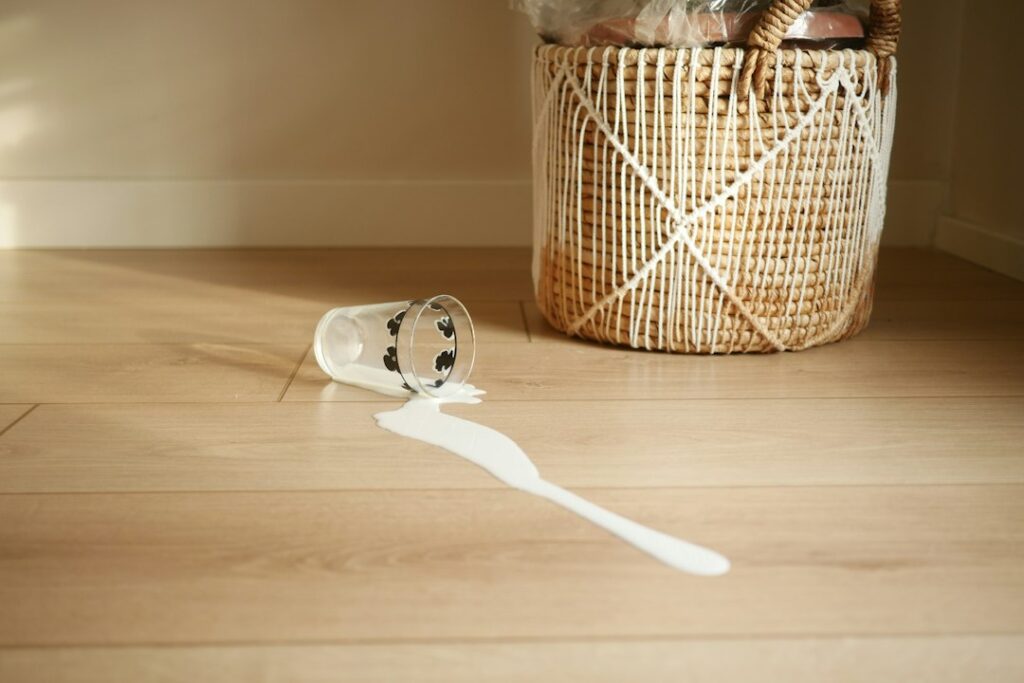
Hardwood floors can last for decades when daily wear, moisture, and cleaning habits are managed consistently. In West Columbia, SC, warm weather, seasonal humidity, tracked-in grit, and occasional heavy rain make moisture control and routine maintenance especially important.
What damages hardwood floors most often?
The most common causes of premature wear are grit, standing moisture, furniture movement, excessive humidity, and unsuitable cleaning products. These problems usually develop gradually rather than from a single incident.
Fine sand, soil, and small stones can act like sandpaper under shoes, furniture, and pet claws. Water can seep between boards or into unfinished edges, leading to swelling, staining, cupping, or finish failure. Even floors that appear clean may collect abrasive particles near entrances, kitchens, and busy hallways.
Other frequent sources of damage include:
- Dragging chairs, tables, or storage bins across the floor
- Wearing athletic cleats, hard heels, or shoes with exposed nails indoors
- Using a soaking-wet mop
- Applying wax, polish, or household cleaners not intended for wood flooring
- Allowing direct sunlight to fade exposed areas
- Ignoring small scratches until dirt and moisture reach the wood beneath the finish
The best protection is not a complicated treatment. It is a set of simple habits repeated throughout the year.
How often should hardwood floors be swept or vacuumed?
High-traffic floors should be swept or vacuumed several times a week, while entryways and kitchens may need attention daily. Removing grit promptly helps prevent fine scratches and dull patches.
Use a soft-bristle broom, a hardwood-safe vacuum attachment, or a vacuum designed without a rotating brush that can mark the finish. Pay particular attention to:
- Doorways and transitions between flooring types
- Areas beneath dining tables and kitchen counters
- Hallways and paths between frequently used rooms
- Places where pets rest or enter from outdoors
- Floor-level spaces near exterior doors
A quick cleaning routine is more protective than occasional aggressive cleaning. If grit is visible, it is already capable of causing abrasion.
What should be placed at entrances?
Use absorbent mats inside exterior doors and a weather-resistant mat outside when practical. Mats help capture water, mud, leaves, and grit before they reach the floor.
Mats should be checked regularly. A saturated or dirty mat can hold moisture against the floor and grind debris into the finish. Avoid rubber or latex-backed products unless the flooring manufacturer confirms they are safe, because some backings can trap moisture or discolor certain finishes.
A shoe-removal area near the entrance also reduces wear. During periods of heavy rain, placing a washable tray or absorbent runner near the doorway can help contain wet footwear, umbrellas, and pet paws.
How can water damage be prevented?
Wipe spills as soon as they happen instead of allowing them to air-dry. Hardwood floors should not be left wet after cleaning, and standing water around sinks, dishwashers, refrigerators, and pet bowls deserves special attention.
In a humid climate, small leaks may be overlooked because they evaporate slowly or occur beneath appliances. Check for dampness around:
- Dishwasher and refrigerator connections
- Sink cabinets
- Washing machine hoses
- Bathroom thresholds
- Pet water bowls
- Window and exterior door areas during heavy rain
Use a barely damp microfiber mop when needed, followed by a dry cloth or sufficient air circulation. Do not flood the floor, steam-clean it, or use a dripping mop unless the flooring manufacturer specifically permits that method.
A spill that causes boards to swell, separate, or change shape should be dried promptly. If moisture has reached beneath the floor, surface drying alone may not resolve the problem.
Does indoor humidity affect hardwood flooring?
Yes. Hardwood expands when it absorbs moisture and contracts as the air becomes drier. Keeping indoor humidity reasonably stable can reduce seasonal gaps, cupping, cracking, and stress on joints.

Large humidity changes are often more damaging than a steady moderate level. A basic indoor hygrometer can help identify unusual conditions. If the home feels persistently damp, ventilation, air conditioning, or a dehumidifier may help. If the air becomes very dry during heating periods, controlled humidification may reduce excessive shrinkage.
Avoid trying to correct visible gaps or raised boards by adding moisture suddenly. Flooring movement can have several causes, including installation conditions, plumbing leaks, crawl-space moisture, or changes in indoor climate. The source should be identified before making major adjustments.
How should furniture be moved across hardwood?
Lift furniture whenever possible. If an item must be moved, place clean furniture sliders, thick felt pads, or a smooth protective sheet beneath the contact points.
Do not push heavy furniture directly across the floor, even if the finish looks durable. Dirt beneath a furniture leg can create deep scratches. Felt pads should be kept clean and replaced when compressed, torn, or loaded with grit.
Use wider protective pads beneath heavy cabinets, beds, and tables to distribute weight. Recheck them periodically because furniture can shift slightly with normal use.
Rolling office chairs are another overlooked source of wear. A hardwood-safe chair mat or suitable soft casters can reduce repeated abrasion in work areas.
Are rugs and sunlight helpful or harmful?
Rugs can protect busy areas, but they must allow the floor to breathe and should be cleaned underneath regularly. Dirt trapped beneath a rug can scratch the finish, while certain backings may cause discoloration or moisture retention.
Move rugs and furniture occasionally so the flooring receives more even exposure to natural light. Hardwood may change color over time, and areas covered for years can look different from uncovered sections when furnishings are rearranged.
Window coverings can reduce intense direct sunlight during the brightest parts of the day. This is particularly useful near large windows, glass doors, and rooms with prolonged afternoon exposure.
Which cleaning products are safe?
Follow the flooring manufacturer’s cleaning instructions whenever they are available. In general, use a cleaner labeled for the specific finish and apply only the amount needed.
Avoid products that leave a waxy film, contain harsh abrasives, or are intended for vinyl, tile, or laminate rather than wood. Oil soaps and polish may create buildup that attracts dust or complicates future maintenance. Steam is also risky because heat and moisture can enter joints or damage some finishes.
Before using any new product, test it in a concealed area. A cleaner that performs well on one type of finish may leave streaks, dullness, or residue on another.
When should scratches or board movement be addressed?
Minor surface scratches can often be managed through routine cleaning and finish-compatible maintenance, but deep scratches, dark water marks, splintering, loose boards, or persistent cupping should not be ignored.
Watch for changes such as:
- Boards that rise at the edges or crown in the center
- Gaps that remain unusually wide
- Soft areas beneath the finish
- A musty odor near the floor
- Repeated dampness around plumbing or exterior walls
- Finish that flakes, bubbles, or separates
These signs may point to moisture below the visible surface rather than ordinary wear. Safety concerns, suspected leaks, mold-like odors, or substantial floor movement may require qualified assistance to identify the underlying problem.
Consistent sweeping, careful moisture control, clean protective pads, stable indoor conditions, and finish-appropriate cleaning will do more for floor longevity than infrequent intensive treatments. The goal is to remove damaging debris quickly, keep water from lingering, and prevent everyday household movement from becoming permanent wear.