

 See My Latest Article on HelloNation
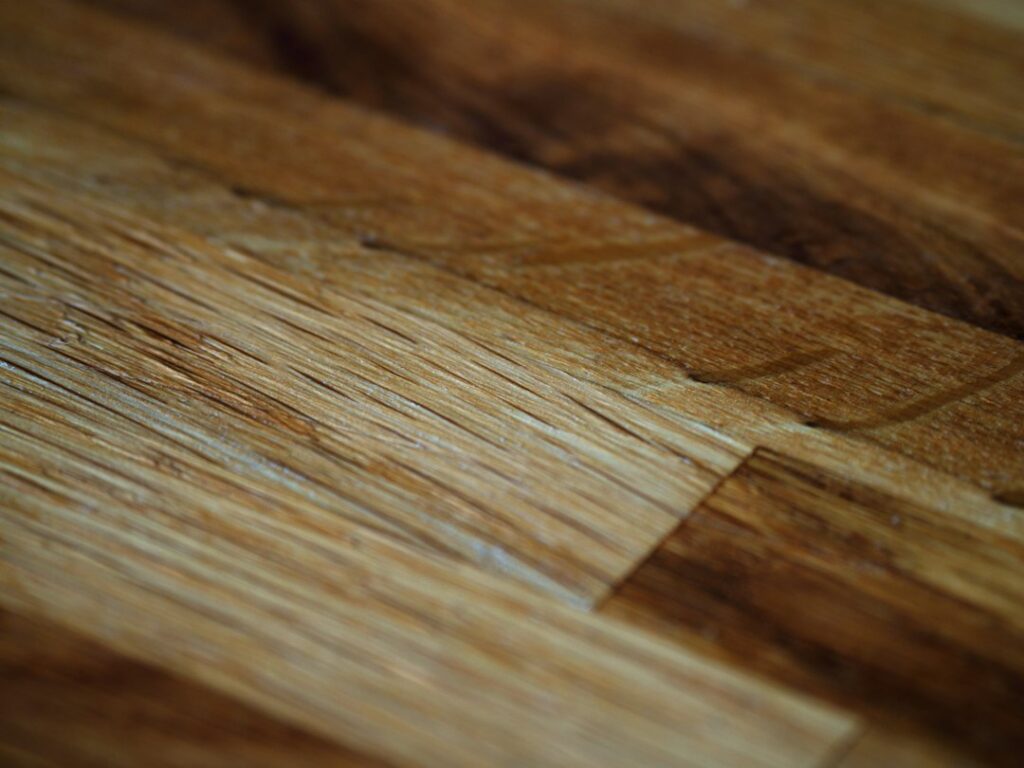
Hardwood floors often can be updated without being removed or replaced. Cleaning, repairing, screening, refinishing, changing the sheen, and improving the surrounding room may restore much of the floor’s original appearance while preserving usable boards.
For homes in West Columbia, SC, this approach can be especially useful because seasonal humidity, tracked-in grit, moisture near entryways, and everyday household traffic gradually affect wood flooring. The right update depends on whether the problem is surface wear, color, damage, or a deeper structural issue.
Can hardwood floors be improved without replacing them?
Yes. Many worn floors only need a new surface treatment rather than new boards. Existing hardwood may be suitable for one of several updates:
- Deep cleaning and residue removal
- Minor board and finish repairs
- Screening or buffing
- Full sanding and refinishing
- Color changes with stain
- A different protective finish or sheen
- Replacement of only a few severely damaged boards
The key question is whether the wood itself remains sound. Dullness, light scratches, and faded finish are usually surface concerns. Cupping, loose boards, widespread water damage, or very thin flooring require closer evaluation before selecting a cosmetic update.
What is the easiest way to refresh tired hardwood?
Start with careful cleaning and maintenance. Dirt acts like fine sandpaper under shoes and furniture, so removing abrasive particles can noticeably improve the floor’s appearance.
Use a vacuum suitable for hard floors or a soft broom, followed by a lightly damp microfiber mop. Avoid soaking the boards. Water that sits in seams can cause swelling, edge damage, or changes in board shape.
Also remove cleaning products that leave a waxy or cloudy film. Some household products create buildup that makes floors appear dull even when the finish is still intact. A cleaner should be compatible with the floor’s existing finish rather than chosen solely for its fragrance or shine.
Felt pads under furniture, mats at exterior doors, and prompt cleanup of spills help prevent the refreshed surface from wearing prematurely. In a humid climate, keeping moisture from lingering near kitchens, bathrooms, entrances, and pet water bowls is particularly useful.
When does screening work better than full sanding?
Screening, sometimes called buffing and recoating, is appropriate when the existing finish is worn but the wood is not deeply damaged. It lightly abrades the top coating so a new finish can bond to it.
This method may work for:
- Fine surface scratches
- Dull or uneven sheen
- Light scuffing
- Minor finish wear in walking paths
- Floors that need a new protective coat but not a color change
Screening does not remove deep stains, pet damage, major dents, or finish that has already worn through to bare wood. It also cannot correct boards that are warped or structurally loose.
A simple test is to look at heavily traveled areas. If the floor is merely less shiny, recoating may be enough. If the wood grain looks exposed, gray, darkened, or rough, sanding may be necessary.
When is full sanding and refinishing appropriate?
Full refinishing is the most extensive way to update an existing hardwood floor without replacing the entire floor. The old finish is removed, the surface is leveled, and new stain or protective coating is applied.
This process can address:
- Deep scratches and dents
- Uneven color
- Water marks that have not penetrated too deeply
- Worn areas where bare wood is visible
- Multiple layers of old finish
- A dated stain color
- Noticeable differences between rooms
Solid hardwood can often be refinished more than once, but the available material above the tongue-and-groove connection matters. Engineered hardwood may also be refinished, although its top wood layer is thinner and must be treated more carefully.
Refinishing creates dust, odor, drying time, and temporary disruption. Household members may need to stay off the floor for specific periods while coats cure. Manufacturer instructions for the finish should determine when furniture, rugs, and normal foot traffic return.
Can the color of hardwood floors be changed?
Usually, yes, if the floor can be sanded adequately. Once the old finish is removed, a different stain may create a lighter, darker, warmer, or cooler appearance.
Color samples should be viewed in the actual room because natural light, wall paint, nearby surfaces, and bulb color affect how wood appears. A stain that looks balanced in a bright room may appear much darker in a hallway or shaded bedroom.
It is also useful to consider household habits. Very dark floors can show dust, pet hair, and footprints more readily, while very light finishes may make certain stains or soil marks more noticeable. Mid-range natural tones often disguise ordinary daily debris better, but appearance should be balanced with the desired design.

Stain will not make different wood species look identical. Existing repairs, sun exposure, and variation between boards may remain visible, which is part of the character of a real wood floor.
What repairs can be made without replacing the whole floor?
Individual boards can sometimes be repaired or replaced while the rest of the floor remains in place. This is useful when damage is limited to a small area.
Common localized repairs include:
- Filling small nail holes or shallow cracks
- Securing a loose board
- Replacing boards damaged by a single leak
- Repairing gaps that change with seasonal moisture
- Reducing minor squeaks
- Blending a repaired section with nearby boards
Color matching can be difficult, especially on older floors that have changed through sunlight and household wear. A new board may need to be stained and finished so it visually fits the surrounding area.
Not every gap requires filler. Wood naturally expands and contracts as indoor moisture changes. Filling seasonal gaps with a rigid material may lead to cracking or pushed-out filler when the boards move again.
How should humidity and moisture be managed?
Moisture control is part of updating hardwood floors because surface improvements cannot solve an ongoing moisture problem. In the local climate, floors may respond to humid summers, air-conditioning cycles, wet footwear, and moisture tracked inside during storms.
Helpful habits include:
- Wiping spills promptly
- Using breathable mats at exterior doors
- Keeping wet shoes and umbrellas off bare wood
- Avoiding steam mops unless the flooring manufacturer specifically permits them
- Maintaining steady indoor temperature and humidity
- Checking for plumbing or appliance leaks before refinishing
- Leaving room around floor-level vents and registers
Boards that cup, crown, buckle, or remain damp should not simply be covered with a new finish. The moisture source and condition of the subfloor need to be understood first.
What updates improve the room even if the floor is not refinished?
The floor may look significantly better when the surrounding conditions improve. Remove rubber-backed rugs that trap moisture, replace worn furniture pads, and rearrange area rugs so the floor does not develop sharply different sunlight patterns.
Wall color, natural light, and furniture placement also affect how old wood is perceived. Cleaning baseboards, reducing visual clutter, and using rugs with breathable backings can make an existing floor appear more finished without altering the boards.
Before choosing a treatment, inspect the floor in daylight. Identify whether the dominant issue is dirt, dull finish, scratches, color, moisture, or structural damage. That diagnosis prevents unnecessary sanding and helps preserve as much of the original hardwood as possible.