

 See My Latest Article on HelloNation
What Makes Hardwood Floors a Popular Choice for Area Homes?
Hardwood flooring has long been favored among local households for its classic appearance, durability, and practical benefits in the climate and housing styles common throughout the city. Natural wood planks provide not only visual warmth but reliable performance in day-to-day living scenarios.
Residents often weigh flooring choices against factors like humidity, maintenance needs, and household activity. Hardwood stands out for its ability to blend tradition with resilience, making it well-suited for a wide range of local homes, from historic properties to new builds.
Are Hardwood Floors Durable in Humid Southern Climates?
Hardwood is well-known for its lasting strength, even in regions where seasonal humidity comes into play. Properly installed and maintained hardwood can endure generations of use without losing structural integrity.
- Modern finishes help protect against moisture, though humidity levels should be monitored indoors—especially in older homes where central air isn’t always present.
- Routine care, such as using area rugs in high-traffic spots and maintaining stable indoor climate, extends hardwood longevity and minimizes expansion or contraction.
This combination of natural durability and adaptability explains why many local homes with original wood floors still retain them decades later.
How Do Hardwood Floors Affect Indoor Air Quality?
Unlike wall-to-wall carpeting, hardwood surfaces do not trap dust, pollen, or pet dander. This often leads to noticeably improved air quality for households with allergies, asthma, or other sensitivities.
Sweeping or vacuuming with a bare floor attachment quickly removes particles. Occasional damp mopping is sufficient for deeper cleaning—no heavy shampoos or treatments are necessary. For households prioritizing a cleaner, healthier environment, hardwood is a practical fit that reduces the amount of hidden irritants.
Are Hardwood Floors a Good Long-Term Investment?
Hardwood typically increases a property's market value while also offering ongoing cost savings over time:
- It can be refinished rather than replaced if worn or scratched, unlike many synthetic options.
- The timeless appearance remains attractive regardless of interior decorating trends, which helps preserve appeal if selling is ever considered.
- While the initial investment may be higher than alternatives, the lifespan and repairability of hardwood can make it a cost-effective choice in the long run.
In the city’s real estate market, homes with natural hardwood often show greater interest from buyers and appraisers due to these factors.
How Do Hardwood Floors Change the Look and Feel of a Home?
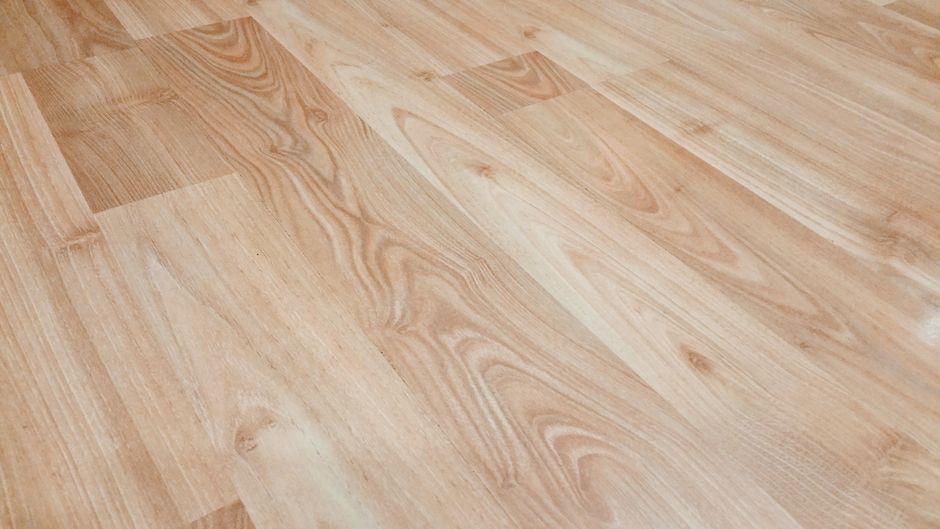
One of the most appreciated features of hardwood is its ability to make living spaces feel open, bright, and inviting. Natural grain patterns and a variety of stain choices allow for personalized style, suited to both traditional and modern homes alike.
- In smaller area homes or rooms with limited natural light, lighter wood finishes can create the illusion of more space.
- Wider planks or dramatic grain patterns can serve as conversation pieces that add character to high-traffic entryways or living spaces.
Residents frequently comment on the way hardwood brings warmth and versatility to interiors, helping the same home adapt to different decorating tastes over time.
What Maintenance Is Really Required?
A common misconception is that hardwood demands extensive upkeep. In reality, care is straightforward:
- Sweep or dust-mop frequently to reduce abrasion from grit
- Wipe up spills promptly to prevent stains or water damage
- Use felt pads under furniture to prevent scratches
- Schedule refinishing only as needed, which may be once every few decades for most residential floors
With regular but simple attention, hardwood can stand up to everyday activity, children, and pets.
How Does Hardwood Perform with Busy Family Life and Pets?
Hardwood floors often suit active households thanks to their surface strength and forgiving nature:
- Claws, shoes, and activity can leave marks, but most small dents or scratches blend into the wood’s character.
- Spills, mud, or pet accidents can be cleaned up without trapping odors.
- For families with pets, choosing harder species and matte finishes can reduce visible wear.
Area rugs and proper finish selection go a long way toward balancing style with everyday practicality.
Does Hardwood Help Keep Homes Comfortable in Local Weather?
The region’s mix of hot, humid summers and mild winters brings unique comfort considerations. Hardwood serves as a good insulator, staying cooler than carpet in summer but not as cold as tile on bare feet in winter.
- Wood flooring doesn’t harbor moisture the way carpet can during extended rainy seasons.
- It supports efficient air flow, which can assist with ventilation and help air conditioning work more effectively.
- With appropriate window treatments and climate control, wood performance remains reliable through local seasonal shifts.
Residents looking to improve both comfort and practicality often appreciate this balance of form and function.