

 See My Latest Article on HelloNation
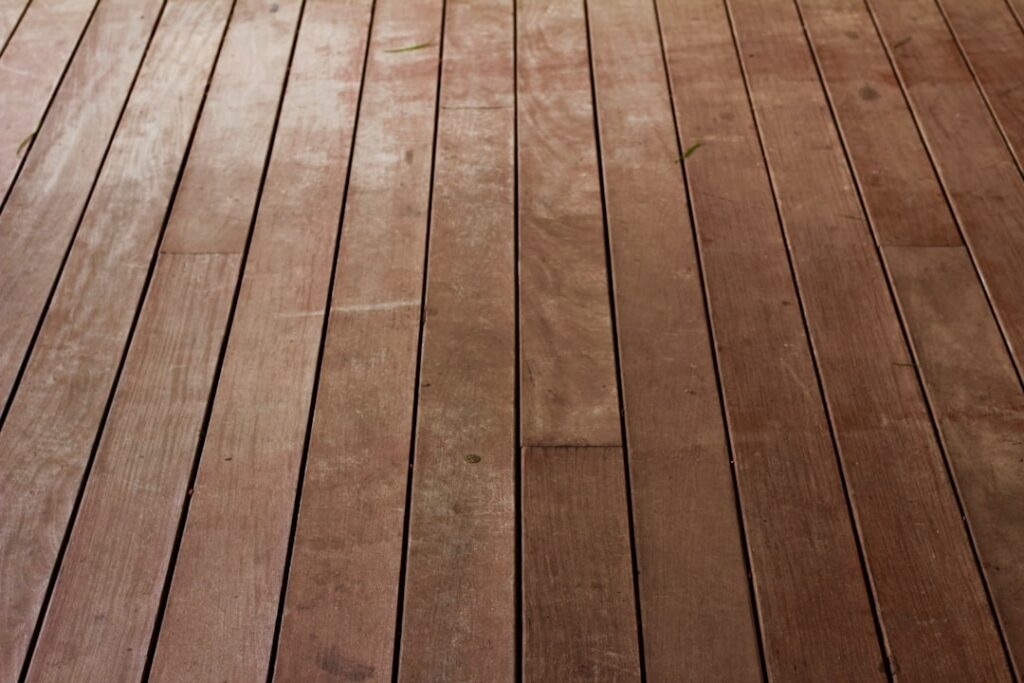
Why Do Hardwood Floorboards Creak?
Creaky spots in hardwood floors are caused by pieces of wood or fasteners rubbing against each other as the boards flex underfoot. This can happen for several reasons, including natural settling of homes, seasonal shifts in humidity, or old fastening methods loosening over time. In West Columbia, SC, where humidity can swing dramatically across seasons, these noises are common in both historic and newer homes. The sound itself isn’t usually dangerous, but it can be annoying for area households.
Can Weather in West Columbia Affect Floor Squeaks?
Yes, local climate plays an important role in how hardwood flooring behaves. In the humid summers, floorboards can swell, reducing gaps and sometimes making squeaks less noticeable. In cooler, drier months, wood shrinks, increasing movement and making existing squeaks more pronounced. Homes with central air or heat often experience noticeable seasonal changes in wood flooring. Recognizing this pattern helps to time repairs for best results.
How Can I Find the Source of Squeaks?
To fix a creaky board, pinpoint the problem area. Walk slowly across the floor to identify exactly where the noise originates. Try to determine if the sound is from loose floorboards rubbing against each other, nails moving in and out, or the wood flexing against the subfloor. Sometimes, squeaks come from the flooring itself, but just as often, they originate from the underlying subfloor or even floor joists. Checking from underneath—such as in homes with a crawl space—may reveal issues not visible from above.
What Quick Fixes Can I Try For Surface-Level Squeaks?
For minor squeaks that aren’t related to structural problems, several simple fixes can be attempted:
- Sprinkle a small amount of powdered graphite, talcum powder, or a specialized wood-floor lubricant into the seam where boards rub, then carefully sweep it in and walk over the area. This can sometimes reduce friction enough to silence the squeak.
- For squeaks near the edge of a room, gently tapping the floorboard down with a hammer and wood block can sometimes reset a board that’s popped up.
- Drive a few slender, specially designed flooring screws or finishing nails at a slight angle through the board and into the subfloor. This pulls loose boards more tightly down. Be careful not to split old wood or damage the finish.
These approaches often help with common, localized squeaks in rooms that see active use in the city’s homes.
How Do I Fix Squeaks From Below the Floor?
If you have easy access to the underside of the floor—like from a basement or crawl space—this can give better results for persistent noises:
- Search for gaps where the hardwood moves up and down against the subfloor.
- Drive a short wood screw (careful not to go through the floor above) through the subfloor into the bottom of a squeaky board. A washer under the screw head can help compress the board for a snug fit.
- For joist-related noises, add a wood shim gently between the joist and the subfloor to fill any gap. Never force it in; gentle pressure only.
- Some local residents have success with “squeak elimination kits” that use specially designed screws intended not to damage finished floors, particularly in high-traffic hallways or living rooms.
These fixes target squeaks caused by loosened support below, which is common in the region’s older houses.
Are There Mistakes People Make Trying to Silence Squeaks?
Yes, several frequent errors occur:
- Driving long screws through the top of finished floors can chip or split the wood.
- Using too much lubricant or using oil-based products can discolor floors.
- Ignoring movement in the subfloor or joists—surface repairs alone won’t be effective if the underlying frame is shifting.
- Forcing wood shims too tightly beneath joists, which can create new pressure points and cracks.

Careful observation, the right materials, and a gentle hand usually provide the best results for local residents.
When Should Squeaks Be a Sign of a Bigger Problem?
Most creaks are harmless, but occasionally they signal larger issues:
- Large sections of floor suddenly begin squeaking or bounce noticeably.
- The floor feels spongy or uneven.
- There is visible separation between the floor and walls.
- Squeaks are accompanied by signs of water damage or rot in subfloor or joists.
If these occur, it’s wise to investigate for structural concerns or persistent moisture problems, as area homes can be susceptible to both, especially after heavy seasonal rains.
What Can Homeowners Do to Prevent Future Squeaks?
While not all noise can be avoided in hardwood, several habits help minimize long-term problems in the community’s homes:
- Maintain stable indoor humidity: using a humidifier in winter or dehumidifier in summer reduces wood movement.
- Address small squeaks early—catching them before they spread or cause minor damage helps long term.
- Regular inspection from below, especially after major weather events or noticeable settling.
- Avoid excess moisture near floors: mop spills promptly and fix leaks under appliances.
Keeping up with these simple habits makes it less likely for creaky spots to develop into more serious issues in the city’s diverse housing stock.