

 See My Latest Article on HelloNation
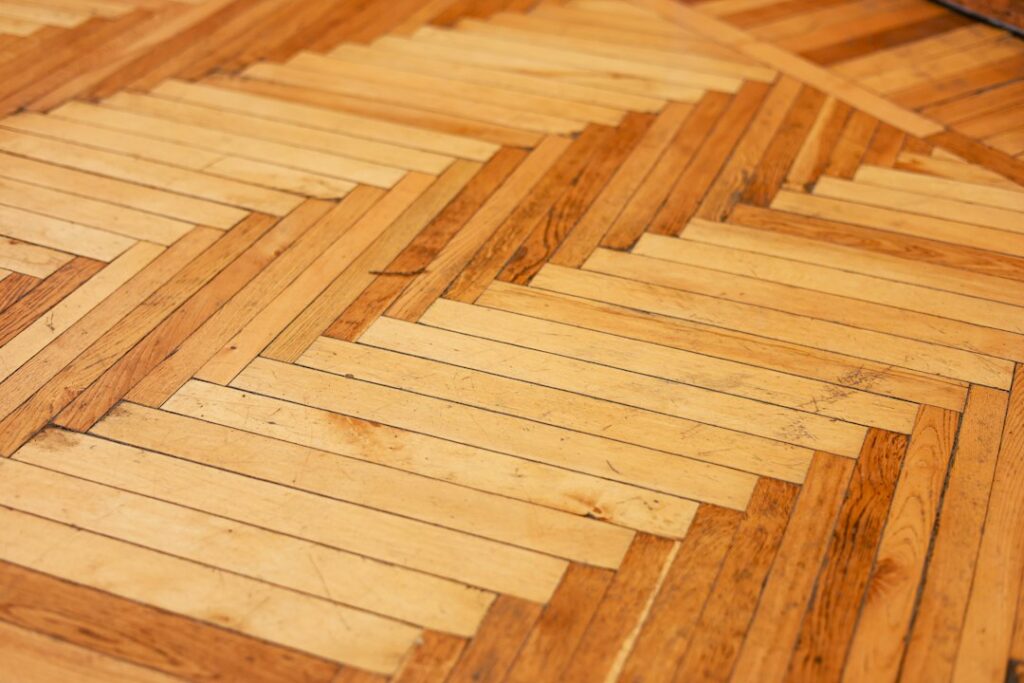
Hardwood floors can often be refreshed rather than replaced, but the timing matters. In West Columbia, SC, seasonal humidity, tracked-in grit, strong sunlight, and everyday household traffic can gradually wear through the protective finish.
Refinishing is generally appropriate when the flooring is structurally sound but its surface no longer protects the wood or looks even. The following signs can help distinguish normal aging from damage that requires more extensive repair.
Is the finish looking dull or uneven?
A widespread loss of shine is one of the earliest signs that hardwood flooring may need refinishing. Floors do not have to look glossy to be healthy, but the surface should usually appear reasonably consistent from one area to another.
Look for:
- A cloudy or gray appearance
- Dull walkways through halls, kitchens, or living areas
- Uneven sheen between furniture-covered and exposed sections
- A finish that looks worn even after careful cleaning
- Areas that appear dry, faded, or slightly rough
Dullness often develops because the protective coating has been worn down by foot traffic and fine grit. Cleaning products can also leave residue that makes a floor look hazy, so it is worth ruling out buildup first. If the surface remains dull after residue is removed, the finish itself may be aging.
Are scratches becoming widespread?
A few light scratches are normal in an active household. Refinishing becomes more likely when scratches cover broad sections of the floor or form repeated paths through the home.
Surface scratches affect only the finish and may sometimes be addressed without sanding down to bare wood. Deeper scratches expose the stain or natural wood beneath the finish. These marks may look lighter, darker, or sharply defined compared with the surrounding boards.
Pay particular attention to damage caused by:
- Pet nails
- Furniture movement
- Grit carried indoors on shoes
- Children’s toys
- Office chairs or rolling equipment
- Repeated traffic near exterior doors
In a humid, warm climate, small surface defects can become more noticeable as the finish ages. Grit that enters from outdoors can act like fine sandpaper under shoes, especially near entrances.
Can you see bare wood, gray areas, or blackened spots?
Visible bare wood is a stronger warning sign than ordinary dullness. Once the finish has worn away, the exposed wood can absorb moisture and household spills more easily.
Gray areas may indicate that unfinished wood has begun reacting to moisture and air. Dark or blackened marks may be caused by staining, prolonged dampness, fasteners, or other damage. Refinishing may improve some discoloration, but sanding alone cannot correct every underlying problem.
Before refinishing, the cause of the discoloration should be considered. A recurring moisture source, plumbing leak, damp entryway, or wet cleaning routine can damage a newly refinished surface as well.
Are water drops soaking in instead of beading?
A simple water test can provide a useful clue, although it is not a complete diagnosis. Place a small drop of water in an inconspicuous area and observe it briefly.
If the drop remains on the surface, the finish may still provide reasonable protection in that spot. If the water quickly darkens the wood or appears to soak in, the protective coating may be thin or missing.
Do not leave standing water on the floor, and avoid testing in a highly visible location. This test can also produce misleading results on floors treated with oil, wax, cleaning residue, or specialty finishes.
Do the boards feel rough or splintered?
A healthy finish should leave the surface relatively smooth under bare feet or a clean sock. Roughness may indicate that the coating has worn down, that wood fibers have lifted, or that previous cleaning has affected the finish.
Splintering deserves more attention because it can create a safety concern. Small raised fibers may be associated with localized water exposure, aging boards, or damage along worn areas. Refinishing may smooth the surface, but boards that are cracked, loose, or severely deteriorated may need repair or replacement instead.
Is the color fading near windows?
Sunlight can fade hardwood floors unevenly, particularly in rooms with large, uncovered windows. Furniture and rugs may leave darker shapes where the flooring received less exposure.

Color variation alone does not always mean the floor needs refinishing. If the finish remains intact and the differences are mainly cosmetic, rearranging furnishings or using window coverings may slow additional fading. Refinishing becomes more practical when fading is combined with worn finish, scratches, or visible differences in stain depth.
Wood can also change color naturally over time. A professional evaluation may be needed to determine whether the issue is finish wear, stain fading, or normal aging of the wood species.
Do the boards squeak, move, or show gaps?
Refinishing addresses the surface of a floor. It does not correct every structural problem.
Squeaks, springy areas, loose boards, large gaps, and boards that move underfoot may point to issues below or between the boards. Seasonal gaps can occur as wood responds to changes in indoor moisture, while persistent or unusually wide gaps may indicate movement, installation problems, or moisture-related changes.
West Columbia’s humid summers and drier indoor conditions during heating or air-conditioning periods can contribute to seasonal wood movement. Small changes may be normal. Significant movement should be investigated before sanding and coating, because surface work will not stabilize an unstable floor.
How can you tell refinishing from replacement?
Refinishing is usually considered when the boards are solid, reasonably level, and thick enough for controlled sanding. Replacement or board repair may be more appropriate when the flooring has extensive rot, severe cupping, repeated water damage, missing sections, or insufficient remaining wood above the tongue.
Engineered hardwood requires additional care because its top wood layer has limited thickness. Some engineered floors can be refinished, while others cannot safely tolerate conventional sanding. The construction, age, and condition of the floor should be confirmed before work begins.
Are there signs that sanding should wait?
Refinishing should be delayed if the floor is still exposed to an unresolved moisture problem. Other reasons to pause include:
- Active leaks
- Damp subflooring
- Persistent musty odors
- Severe cupping or buckling
- Loose flooring caused by movement
- Unknown coatings or contamination
- Dust-sensitive occupants without a practical containment plan
Older homes may also contain layers of paint, adhesive, or other materials that require testing before disturbance. Sanding creates fine dust, and safe preparation matters for indoor air quality. Where hazardous materials are suspected, testing and appropriate safety procedures are necessary before any surface is disturbed.
How often does hardwood flooring need refinishing?
There is no universal schedule. A well-maintained floor may go many years between refinishing projects, while a heavily used entry, hallway, or kitchen may show wear much sooner.
The condition of the finish matters more than the calendar. Regular sweeping or vacuuming with a suitable floor attachment, prompt cleanup of spills, protective pads under furniture, and control of indoor humidity can extend the life of the coating.
A floor does not need to look severely damaged before it is evaluated. Addressing worn protection while the boards remain structurally sound can provide more options than waiting until moisture, deep scratches, or exposed wood become widespread.