

 See My Latest Article on HelloNation
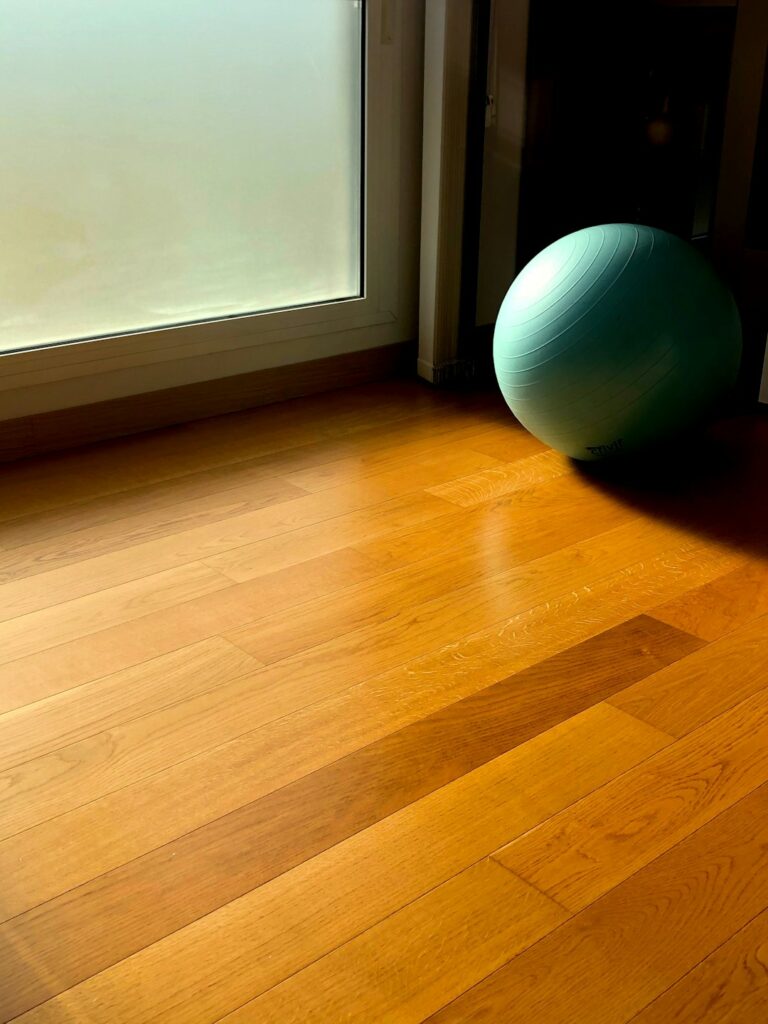
Hardwood flooring responds naturally to moisture in the air. In West Columbia, SC, warm, humid summers, air-conditioned interiors, cooler winters, and moisture beneath some homes can create conditions that cause wood boards to expand, contract, cup, crown, or develop gaps.
Understanding how humidity affects flooring helps explain seasonal changes and makes it easier to recognize problems before they become serious.
Why does humidity affect hardwood flooring?
Wood is a natural material with microscopic pores that absorb and release moisture. As the moisture content of a wood plank changes, the plank changes size.
High indoor humidity causes wood to absorb moisture and expand, especially across the width of the board. Low humidity causes wood to release moisture and contract. Because hardwood flooring is installed across a large surface, even small changes in individual boards can become visible as movement across the room.
This movement is normal to a degree. Problems usually develop when indoor humidity remains unusually high or low, changes rapidly, or differs significantly between rooms or between the floor and the space below it.
What happens to hardwood floors during humid weather?
During damp summer conditions, solid wood flooring may expand. If the floor has insufficient room at walls, door frames, or other fixed surfaces, the boards can press against one another and form raised areas.
Common signs of excess moisture include:
- Tight or crowded boards
- Buckling or tenting
- Cupping, where the edges of a plank rise higher than its center
- Gaps closing between boards
- Finish problems, including cloudy or peeling areas
- A floor that feels unusually soft or unstable in isolated locations
Cupping does not always mean the entire home is too humid. A plumbing leak, wet subfloor, damp crawl space, or moisture entering through concrete can create a localized problem.
What happens during dry winter weather?
Heating systems often reduce indoor relative humidity during cooler months. As flooring dries, boards may contract and narrow gaps can appear between them.
Small seasonal gaps are common, especially with solid hardwood. They may become less noticeable when indoor moisture levels rise again. Larger or persistent gaps can indicate that the indoor environment is too dry, that the flooring was not acclimated properly, or that the subfloor and boards have different moisture conditions.
Very dry air can also contribute to:
- Shrinking between boards
- Splits or cracks along plank edges
- Separating seams
- Loose transitions or trim
- Increased static electricity
- Dry, brittle finishes
A few narrow gaps that appear gradually during winter are different from sudden, wide openings that develop after a leak or heating problem.
What humidity level is suitable for hardwood flooring?
A commonly recommended indoor range for wood flooring is approximately 30% to 50% relative humidity, with many homes performing well near the middle of that range. The most important factor is consistency rather than chasing a single exact number.
Relative humidity describes how much moisture is in the air compared with the maximum amount the air can hold at that temperature. A small digital hygrometer can measure it in individual rooms.
Place a humidity monitor:
- On the main living level
- Near, but not directly beside, the hardwood floor
- In rooms that have had gaps, cupping, or odor problems
- Near exterior walls if condensation or dampness is suspected
Humidity can vary within the same home. A closed bedroom, lower level, crawl space, kitchen, and room with strong afternoon sun may all have different conditions.
Why does local climate matter?
The community experiences long, warm seasons in which outdoor air can carry substantial moisture. Air conditioning removes some of that moisture, but a system that is oversized, poorly maintained, or used only intermittently may not control indoor humidity effectively.
Short periods of summer humidity usually do not damage a properly installed floor. Greater concern arises when moisture remains elevated for weeks or when humid outdoor air enters through open doors, crawl-space vents, leaks, or poorly sealed areas.

Winter creates a different pattern. Heated indoor air can become comparatively dry, particularly during extended periods when windows remain closed and the heating system runs frequently. The floor may respond with gradual contraction even if the home does not feel uncomfortable.
Can a crawl space affect hardwood flooring?
Yes. A damp crawl space can affect the flooring above it, especially in homes with wood subfloors. Moisture may move upward through the subfloor and cause the underside of the flooring to absorb more moisture than the top surface.
That imbalance can produce cupping, odor, mold growth, or deterioration of wood materials. Soil moisture, standing water, plumbing leaks, blocked drainage, and inadequate ground covering can all contribute to crawl-space humidity.
A floor problem concentrated along exterior walls or above a crawl space deserves more attention than a uniform seasonal change throughout the home. Moisture conditions beneath the floor should be evaluated before sanding, refinishing, or replacing boards.
Do engineered wood floors respond differently?
Engineered wood flooring generally resists dimensional change better than solid hardwood because it is made from layered wood components arranged in different directions. It can still expand, contract, cup, or separate when exposed to excessive moisture or very dry conditions.
Engineered flooring is not waterproof. Water from leaks, wet cleaning, flooding, or a damp slab can damage both the wood surface and the layers below it. Its greater stability reduces movement; it does not eliminate the need for moisture control.
How can residents reduce humidity-related movement?
The most effective approach is to control moisture consistently rather than reacting after the floor changes.
Useful steps include:
- Keep indoor relative humidity in a moderate, stable range.
- Use bathroom and kitchen exhaust fans during and after moisture-producing activities.
- Check air-conditioning performance if rooms feel damp or develop a musty odor.
- Use a dehumidifier when indoor humidity remains high.
- Avoid leaving doors or windows open during very humid weather.
- Wipe spills promptly and do not allow wet cleaning water to remain on the floor.
- Inspect plumbing near kitchens, bathrooms, laundry areas, and water heaters.
- Look for dampness or odors in crawl spaces and lower levels.
- Maintain stable indoor temperatures instead of allowing rooms to become extremely hot or cold.
- Keep rugs and furniture from hiding recurring moisture damage.
Humidifiers should be used carefully. Adding moisture to a dry home may improve comfort, but excessive humidification can create condensation and worsen wood movement.
When is floor movement a warning sign?
Seasonal changes that appear gradually and reverse partially over time are often normal. Sudden movement, a raised area that continues growing, dark staining, musty odors, soft boards, or damage near a plumbing fixture suggests a moisture source rather than ordinary seasonal adjustment.
The first step is to identify whether the moisture is coming from indoor air, a leak, the subfloor, a concrete slab, or the space beneath the home. Correcting that source is more effective than addressing the visible flooring symptom alone.
For households in West Columbia, steady humidity management is usually more useful than trying to prevent every seasonal change. Hardwood flooring is expected to move slightly; the goal is to keep that movement gradual, moderate, and supported by a dry, stable installation environment.