

 See My Latest Article on HelloNation
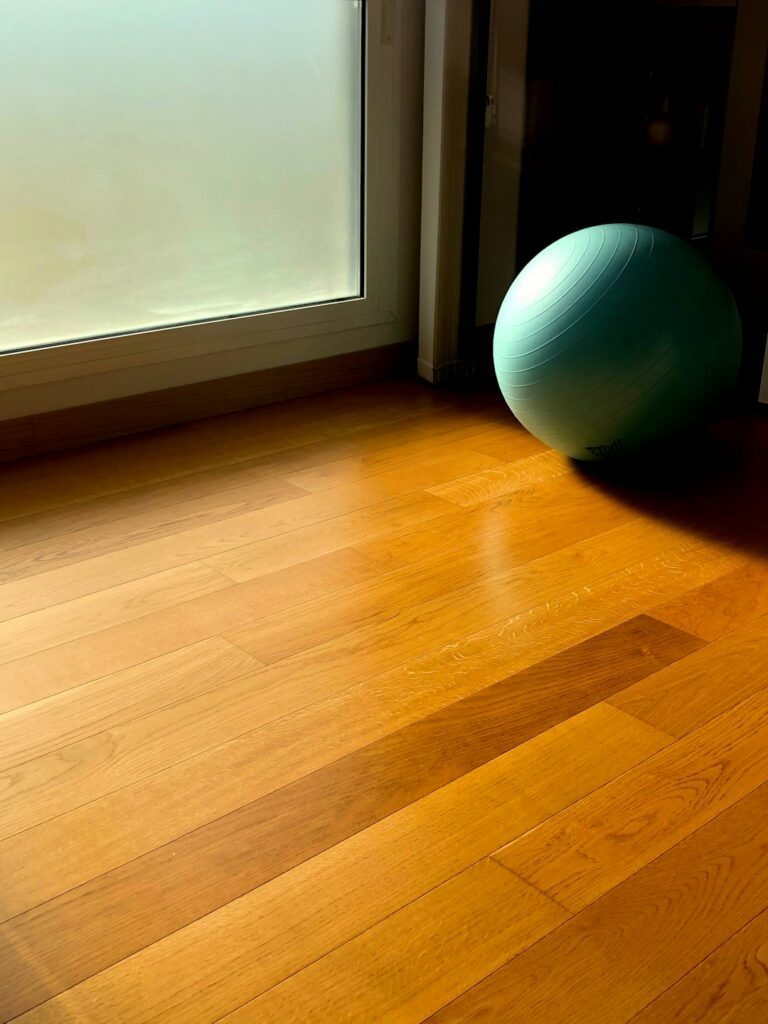
Can Hardwood Flooring Be Installed Directly on Concrete?
Yes, many types of hardwood flooring can be installed over concrete, but doing so requires careful planning and specific techniques. The process depends on the type of hardwood chosen (solid or engineered), the condition of the concrete, and local climate factors common in West Columbia, SC, such as periodic humidity and seasonal temperature swings.
Which Hardwood Flooring Types Work Best Over Concrete?
Engineered hardwood is most frequently used for installations over concrete. This type of flooring is made of multiple layers, with a hardwood veneer on top and cross-laminated base layers underneath, which help it handle moisture and temperature variations better than traditional solid wood.
Solid hardwood can also be installed, but it usually requires more steps and may not be as reliable in homes where moisture is a regular concern.
Quick Comparison
- *Engineered Hardwood*: More resistant to humidity, can be glued or floated over concrete, suitable for basements and ground-level areas.
- *Solid Hardwood*: Can be installed over concrete by first adding a plywood subfloor, but risk of moisture issues is higher if the slab is not properly treated.
What Must Be Checked Before Installation?
A successful hardwood installation over concrete in a local home hinges on the condition and preparation of the slab.
Moisture Testing:
Concrete naturally contains moisture. Testing for moisture content before installation prevents problems like warping, buckling, or mold growth later. Local humidity in West Columbia can make this step especially important, given the region's warm, moderately humid climate for much of the year.
Slab Flatness:
The concrete should be flat within industry standards (usually 1/8 inch over 10 feet). High or low spots need to be fixed before starting so planks lay evenly.
Cleanliness and Stability:
The surface must be clean, dry, and stable with no dust, paint, oil, or crumbling areas that could interfere with adhesives.
What Preparation Steps Are Needed?
Installing hardwood over concrete isn't as simple as laying boards directly on the surface.
1. Moisture Barriers:
- For glue-down installations, a liquid moisture barrier or vapor retarder is often applied to the slab.
- For floating floors, an underlayment with built-in moisture protection may be recommended.
- These barriers are crucial in the city, especially in below-grade spaces such as basements or areas with slab-on-grade foundations.
2. Acclimation:
- Hardwood planks need time to adjust to the indoor climate. Let them sit, unopened, in the home for several days before installing to prevent future expansion or contraction.
3. Plywood Subfloor (for Solid Hardwood):
- If using solid hardwood, a plywood subfloor must first be secured over the concrete. This adds height to the floor and requires adjustments to doors and trim.
How Is the Flooring Attached to the Concrete?
There are three primary methods used locally:
- Glue-Down:
Engineered or certain solid hardwoods can be glued directly to the slab with adhesives rated for wood over concrete. Carefully follow the product instructions to prevent hollow spots.
- Floating Installation:

Here, flooring planks attach to one another rather than the concrete. This is common for engineered hardwood and uses underlayment for cushioning and moisture resistance.
- Nail-Down Method:
This approach is only possible if a plywood subfloor is installed first. Nails or staples secure the flooring to the plywood.
What Are the Local Climate Considerations?
West Columbia’s moderate climate poses both benefits and challenges for hardwood floors over concrete. Frequent rainfall can increase ground moisture, affecting slabs, especially in older or poorly waterproofed homes.
Residents can reduce risks by:
- Maintaining consistent indoor humidity year-round with dehumidifiers or HVAC adjustments
- Checking for signs of basement dampness or previous flooding before planning installation
- Prioritizing moisture testing even during drier months, as hidden condensation can accumulate beneath flooring
What Are Common Mistakes or Misconceptions?
Believing All Hardwoods Are the Same:
Not every wood floor performs equally well on concrete. Engineered hardwood is more forgiving when it comes to humidity and slab moisture.
Ignoring Moisture Barriers:
Skipping this step is the leading cause of warped or damaged floors. Even if the slab feels dry to the touch, moisture can rise from below.
Poor Slab Preparation:
Not leveling or cleaning the slab leads to uneven floors and premature wear.
Forgetting Height Issues:
Adding plywood or multiple underlayment layers can affect door clearance and transitions between rooms.
Is Hardwood Over Concrete a Safe DIY Project?
Installing hardwood over concrete is more challenging than over wood framing. Those with strong DIY experience may attempt floating or glue-down engineered floors. Tasks like moisture testing, barrier application, and subfloor installation require attention to detail. Homeowners should consider the health and safety risks involved with certain adhesives, heavy lifting, and working with power tools. If the concrete is in poor condition, if flooding is a known problem, or if structural repairs are needed, those situations may call for specialized expertise.
What Does Maintenance Look Like?
Once installed correctly, hardwood over concrete can last for decades in area homes. Routine sweeping and damp mopping with products approved for hardwood are all that’s needed for general care. In the event of flooding or leaks, dry the area promptly to prevent swelling or staining. Rugs or mats in entryways help guard against sand and grit, which can scratch finishes in busy households.