

 See My Latest Article on HelloNation
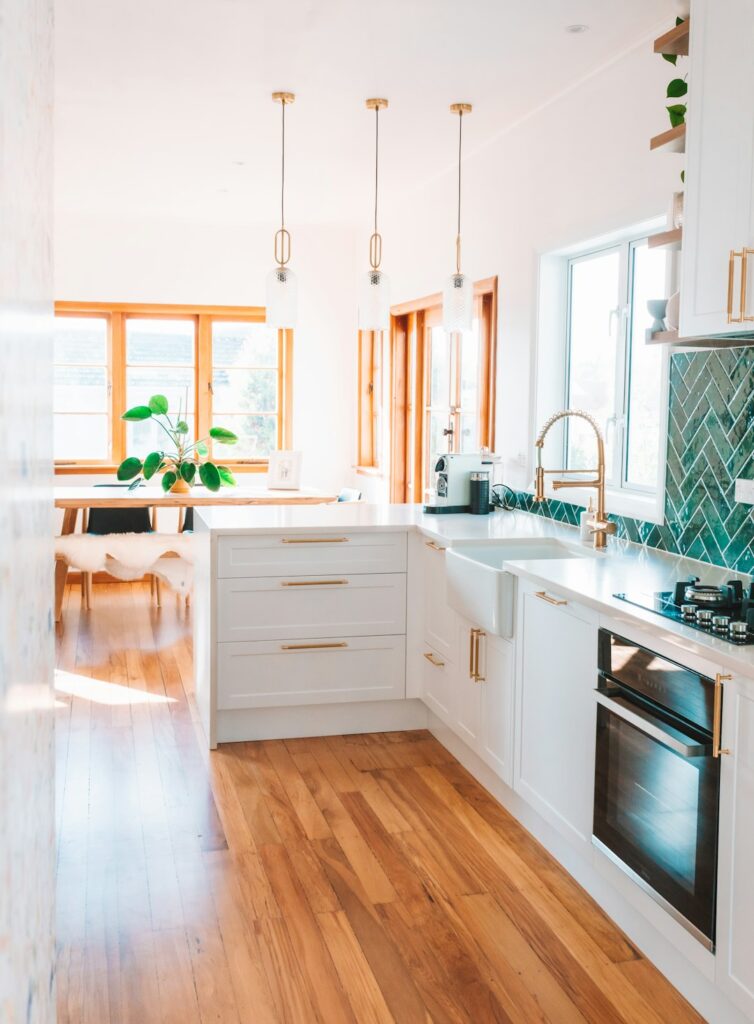
Hardwood floors can be a good choice for kitchens, including homes in West Columbia, SC, but they require realistic expectations. Wood offers warmth, visual continuity, and the ability to be repaired or refinished. It is also more vulnerable to standing water, repeated spills, and humidity changes than tile or resilient flooring.
The right decision depends on how the kitchen is used, how quickly spills are handled, what type of wood and finish are selected, and whether the household is comfortable with normal signs of wear.
Are hardwood floors practical in a kitchen?
Yes. Properly selected and maintained hardwood flooring can perform well in a kitchen. Many kitchens experience frequent foot traffic, dropped utensils, food spills, and moisture near sinks or dishwashers, yet hardwood remains a workable surface when water is not allowed to sit for long periods.
Hardwood is less forgiving than porcelain tile or sheet flooring. A leak that goes unnoticed under a dishwasher or refrigerator may cause boards to swell, cup, stain, or separate. Small spills are usually manageable, but repeated exposure to moisture can create lasting problems.
A kitchen with careful housekeeping and well-maintained plumbing is generally more suitable for hardwood than a space where leaks, overflowing pet bowls, or wet cleaning are common.
What are the main advantages?
Hardwood offers several practical and design benefits in a kitchen:
- A continuous appearance: Using the same flooring through adjoining rooms can make a home feel more open and reduce visual breaks between the kitchen, dining area, and living spaces.
- Comfort underfoot: Wood typically feels warmer and less harsh than ceramic or stone tile, especially for people who spend a lot of time preparing meals.
- Repairability: Solid hardwood can often be sanded and refinished more than once. Some engineered wood floors can also be refinished, depending on the thickness of the wear layer.
- Long service life: With sensible care, hardwood can remain usable for many years, even when its surface develops scratches and dull areas.
- A naturally varied appearance: Small changes in color, grain, and texture can make everyday wear less noticeable than it would be on a perfectly uniform surface.
Hardwood also tends to age differently from many manufactured floors. Scratches and dents may appear over time, but they can become part of the floor’s character rather than making the entire surface look worn out.
What are the disadvantages?
The primary concern is moisture. Kitchens contain several potential water sources, including sinks, ice makers, dishwashers, wet shoes, damp towels, and plumbing connections. Wood absorbs moisture, and changes in moisture content can cause it to expand or contract.
Common problems include:
- Cupping, where board edges rise higher than the centers
- Crowning, where board centers rise above the edges
- Gaps that appear during drier conditions
- Dark staining around persistent spills or leaks
- Finish wear in high-traffic paths
- Dents from dropped cookware, furniture, or heavy appliances
These problems do not mean hardwood is unsuitable. They mean that flooring condition depends heavily on installation, indoor humidity, leak prevention, and daily habits.
Is hardwood safe in a humid climate?
Hardwood can work in humid areas, but indoor moisture should remain reasonably consistent. Seasonal changes in humidity may cause wood to expand during damp periods and contract during drier weather.
In West Columbia, warm, humid conditions and heavy rain can make moisture management especially relevant. Indoor air conditioning may reduce humidity during summer, while heating and cooler weather can produce drier interior conditions. The goal is not to eliminate all natural movement; wood is expected to move slightly. The goal is to avoid extreme or rapid swings.
Helpful practices include:
- Keeping indoor humidity relatively stable
- Using exhaust ventilation while cooking
- Wiping wet areas promptly
- Repairing plumbing leaks as soon as they are discovered
- Placing absorbent mats near exterior doors and sinks, provided the mats do not trap moisture underneath
- Leaving appropriate expansion space during installation
A damp towel left on the floor overnight is usually more concerning than a brief splash that is wiped up immediately.
Is solid hardwood or engineered wood better for a kitchen?
Both can work, but they respond differently to changing conditions.
Solid hardwood is milled from a single piece of wood. It can offer substantial refinishing potential, but it may respond more noticeably to changes in indoor moisture because it expands and contracts across the width of the board.
Engineered hardwood consists of a real wood surface attached to layered wood-based construction. Its cross-layered structure often provides greater dimensional stability, which can be useful in rooms exposed to seasonal humidity changes. Refinishing potential varies by product, so the thickness of the real wood surface matters.
Neither type is waterproof. Engineered construction can reduce certain movement concerns, but it does not make a floor suitable for standing water or hidden leaks.
Which wood species and finishes are more forgiving?

Wood species differ in hardness, grain, color, and how visibly they show dents. A harder species may resist some impacts better, but no wood floor is scratch-proof. Finish sheen also affects appearance: high-gloss surfaces often make scratches and dull traffic paths easier to see, while lower-sheen finishes tend to disguise minor wear.
The color and grain pattern matter as well. Highly uniform, dark surfaces may show crumbs, dust, and scratches more clearly. Midrange colors and naturally varied grain can be easier to live with in an active kitchen.
Surface texture can influence maintenance, too. Deeply distressed or heavily textured flooring may conceal some wear but can collect dirt in grooves. Smooth flooring is easier to wipe but may reveal marks more quickly.
How should hardwood kitchen floors be cleaned?
Routine cleaning should focus on removing grit and keeping water exposure low.
- Sweep or dust-mop regularly to remove particles that can scratch the finish.
- Clean spills promptly with a soft, absorbent cloth.
- Use a cleaner approved for the specific floor finish.
- Avoid soaking the floor or using a very wet mop.
- Do not use abrasive powders, harsh chemicals, or steam cleaning unless the flooring manufacturer specifically permits it.
- Use protective pads under chairs and tables.
- Lift appliances and furniture rather than dragging them across the surface.
Area rugs can help in high-risk locations, but they should be made for hard floors and checked regularly for trapped moisture, grit, or rubber backing that may discolor the finish.
What about kitchens with pets or children?
Hardwood can still be practical, but the household should expect visible wear. Pets may track in grit or leave water near bowls, while children can cause dents from toys, dropped objects, and active play.
A few habits make a noticeable difference:
- Keep pet nails trimmed.
- Place a washable, breathable mat under water bowls.
- Wipe muddy paws before they cross the floor.
- Use rugs in food-preparation and entry areas.
- Avoid rolling heavy appliances or furniture directly over the flooring.
- Treat scratches as maintenance issues rather than automatically replacing the floor.
If the household prefers a surface that can tolerate frequent wet cleaning and standing water with less concern, tile or another water-resistant flooring may be more practical.
When might hardwood not be the best choice?
Hardwood may be a poor fit when a kitchen has a history of plumbing leaks, frequent flooding, poor ventilation, or moisture that cannot be controlled. It may also be less suitable for households that want nearly maintenance-free flooring or regularly clean with large amounts of water.
The flooring should also be evaluated alongside the home’s subfloor and installation conditions. Uneven surfaces, hidden moisture, inadequate expansion space, or transitions between rooms can create problems regardless of the wood species selected.
For most households, the decision is not simply whether hardwood can survive in a kitchen. It is whether the appearance and repairability of wood are worth accepting its need for prompt spill cleanup, stable indoor conditions, and sensible maintenance.